-
01/22/2026
- 0 Comment
Linear Rails vs. Linear Rods
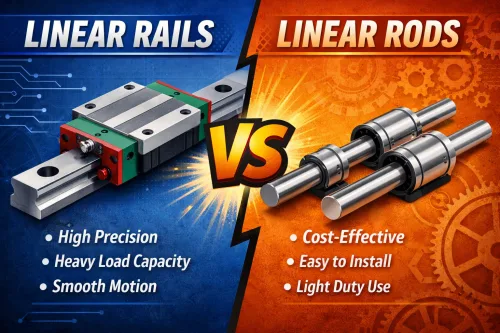
As a Senior Engineering Director with over 15 years of experience in industrial equipment design, production, and optimization, I have overseen countless projects where the choice between linear rails and linear rods directly impacted equipment performance, reliability, and total cost of ownership (TCO). Linear rails (also called linear motion rails, linear guide rails, or linear slide guide rails) and linear rods (also known as linear shafts, linear guide shafts, or linear slide shafts) are both core components for linear motion systems, but they are not interchangeable—each excels in specific scenarios, and misselection can lead to costly rework, premature failure, or underperformance. This is especially critical when evaluating linear rails and bearings, linear rods and bearings, or linear bearing rail systems, as these component pairings define motion system capability. In this article, I will break down the fundamental differences between linear rails and linear rods, explore what is a linear guide and what is a linear bearing, and detail performance trade-offs, application boundaries, and key selection principles from an engineering leadership perspective—helping teams make strategic, data-driven decisions that align with project goals, whether selecting linear rails for CNC, heavy duty linear guide rails, or affordable cheap linear guide options.
The Core Difference
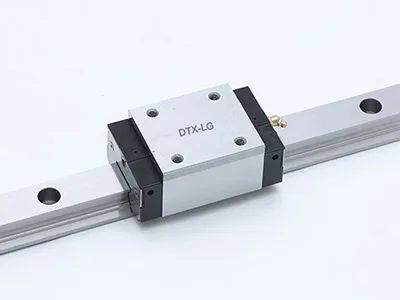
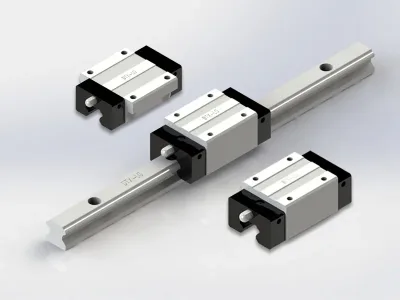
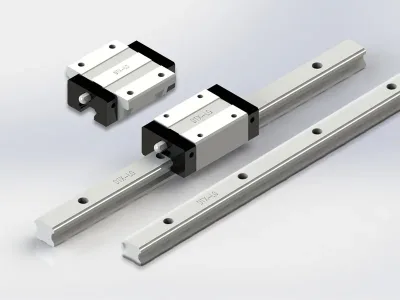
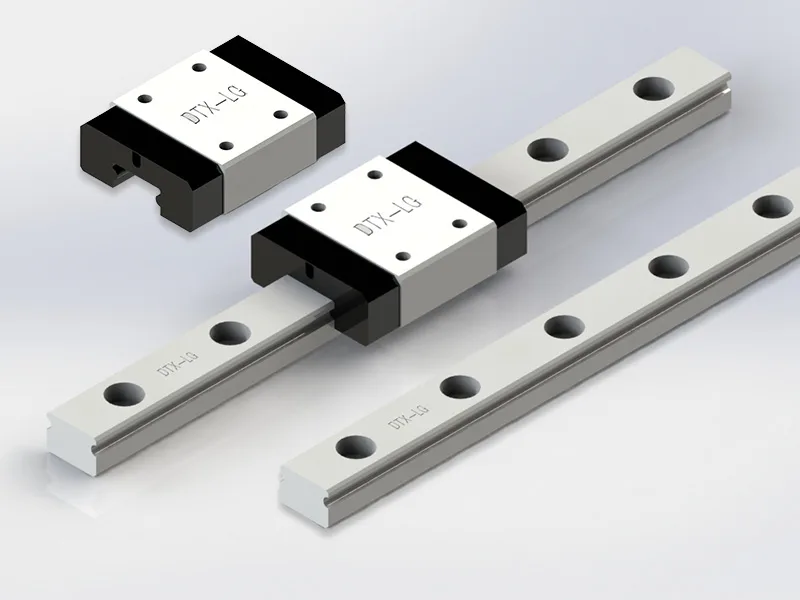
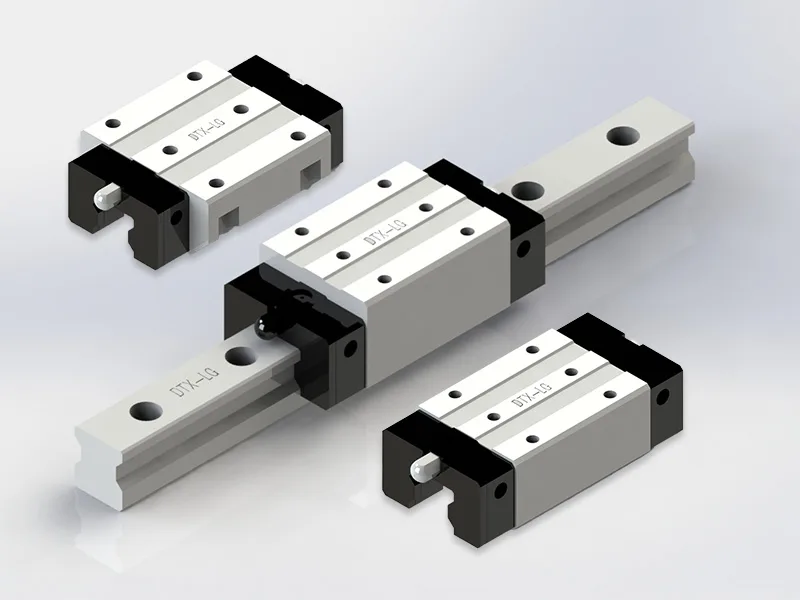
What is Linear Rails (Linear Guides)?
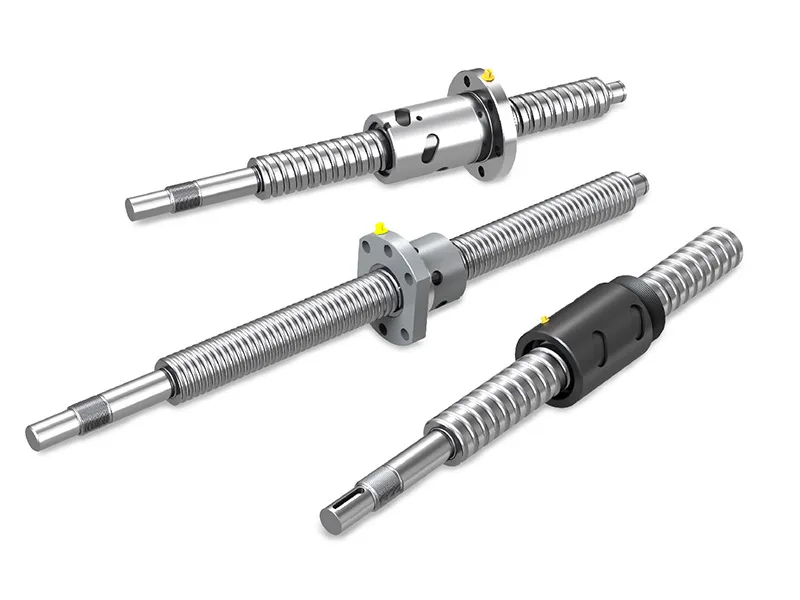
what is Linear Rods (Linear Shafts)?
Linear rods (also called linear guide shafts, linear slide shafts, or simply linear rod) are simple, cylindrical shafts (precision-ground or polished) paired with linear rod bearing components—most commonly linear bearings and rods, rail linear bearing setups, or bearing guide rails that act as supports. Unlike linear rails, linear rods are a “component-level” solution—they require external supports (e.g., end blocks, brackets) to maintain alignment, and their performance depends heavily on the precision of the supporting structure and the quality of the linear rod bearing pairing. This design prioritizes simplicity, cost-effectiveness, and compactness, making linear rods and bearings a popular choice for small, space-constrained applications.
Linear rods operate on a single-axis, point-contact principle (between the linear rod bearing and the rod’s surface). While a high-quality linear rod paired with a precision linear bearing can achieve moderate precision (±0.01mm repeatability), their rigidity and load-bearing capacity are limited by the linear rod’s diameter and the linear rod bearing type. Plain linear rod bearing options are cost-effective but prone to wear in high-speed applications, while ball-based linear bearing rail systems offer lower friction but require more frequent lubrication and protection from contaminants. Linear rods and bearings are often used in simple linear motion systems, such as manual assembly stations or low-speed conveyors, where precision and load capacity requirements are moderate. Linear tracks for linear rods are typically simpler than those for linear rails, focusing on stable support rather than integrated motion control.
What Matters for Engineering Leaders?
Performance Metric | Linear Rails (e.g., CNC linear guide rails, precision linear guide) | Linear Rods (with linear rod bearing, linear bearings and rods) |
Precision (Repeatability/Accuracy) | High (±0.001–±0.01mm); consistent across travel (ideal for precision linear guide, CNC linear slide applications) | Moderate (±0.01–±0.1mm); dependent on support alignment and linear rod bearing quality |
Rigidity & Load Capacity | High; multi-contact design handles radial/axial loads and torque (excellent for heavy duty linear guide rails, supported linear rail) | Low to Moderate; limited by linear rod diameter and linear rod bearing type |
Friction & Speed | Low friction; suitable for high-speed, continuous motion (e.g., linear ball guide, CNC linear slide) | Higher friction (plain linear rod bearing); ball-based linear bearing rail offers low friction but lower durability |
Upfront Cost | Higher (2–5x more than linear rods of similar size); varies by linear rail types, materials (stainless steel linear guide rails cost more than standard), and linear rail sizes | Lower; simple design and fewer components (linear rods and bearings are more affordable than linear rail systems) |
Maintenance & TCO | Low maintenance; built-in protection reduces wear; longer lifespan (5–10 years) (applies to most linear rail systems, including stainless steel linear guide rails) | Higher maintenance; linear rod bearing wears faster; support alignment may require rework; shorter lifespan (2–5 years) (common for linear rods and bearings setups) |
Installation & Integration | Simpler; modular design requires minimal alignment (ideal for CNC linear guide rails, linear rail slides) | More complex; requires precision alignment of supports and linear rod bearing components |
Precision and Rigidity: Non-Negotiable for High-Performance Systems
Cost vs. TCO: The Engineering Director’s Priority
Installation and Scalability: Efficiency for Engineering Teams
When to Choose Linear Rails vs. Linear Rods
Choose Linear Rails If
- Your application requires high precision (repeatability ≤ ±0.01mm) or consistent positioning across long travel lengths (≥1m)—ideal for precision linear guide, linear ball guide, or CNC linear guide rails applications.
- The system operates under dynamic loads (e.g., high-speed acceleration, cutting forces, torque) or heavy loads (≥50kg per axis)—suited for heavy duty linear guide rails, supported linear rail, or robust linear rail systems.
- You need low maintenance and long lifespan (≥5 years) for 24/7 or high-duty-cycle operations (applies to most linear rail types, including stainless steel linear guide rails and linear rail slides).
- Scalability is a priority (e.g., future upgrades to dual-rail configurations, additional linear rail bearings, or switching to larger linear rail sizes).
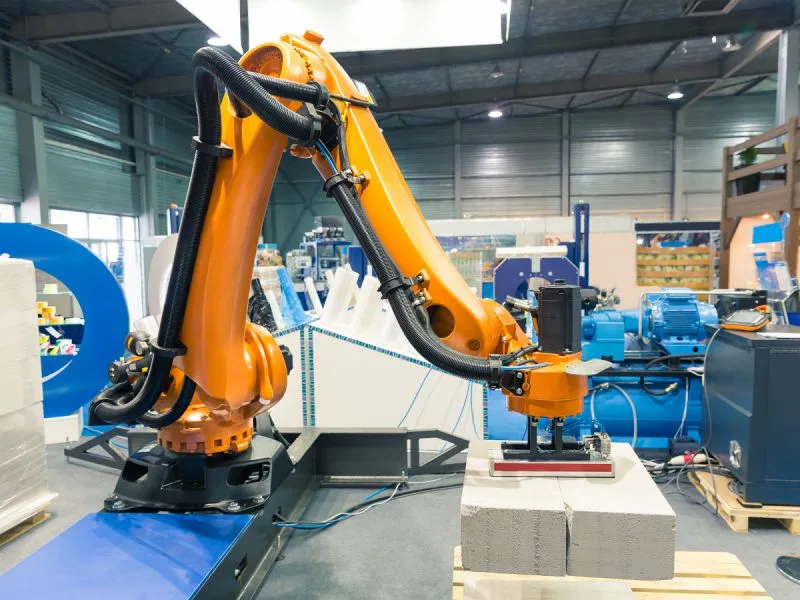
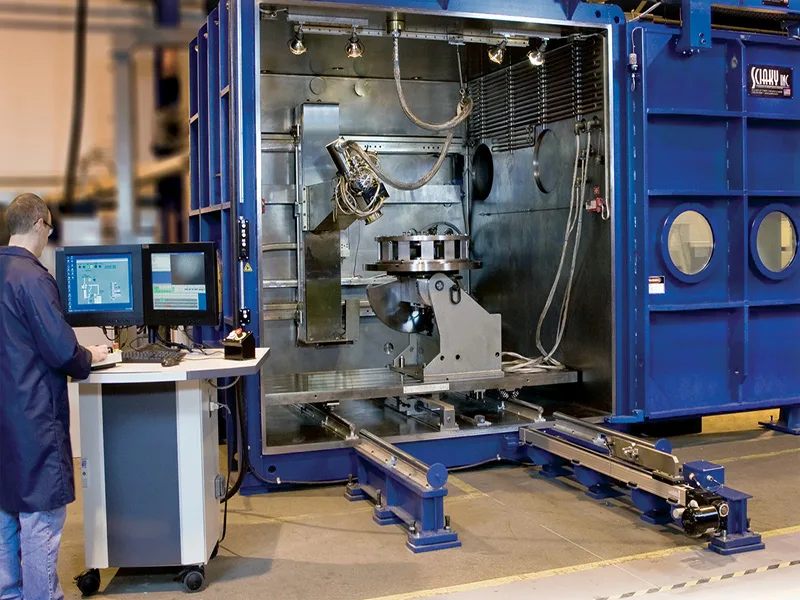
- Examples: CNC machining centers (with CNC linear guide rails, linear rails for CNC, or CNC linear slide components), robotic arms, semiconductor wafer handlers, metrology equipment, high-speed packaging lines, corrosive-environment applications (using stainless steel linear guide rails), and heavy-duty material handling systems (using heavy duty linear guide rails).
Choose Linear Rods If
- Your application has low precision requirements (repeatability ≥ ±0.01mm) and operates at low speeds or low duty cycles—suitable for linear rods and bearings or basic linear bearing track setups.
- Space is at a premium (e.g., compact equipment, small-diameter linear slide shafts ≤10mm) where linear rail sizes are too large.
- Upfront cost is the primary constraint, and maintenance frequency is manageable (e.g., quarterly linear rod bearing checks or replacements)—linear rods and bearings are more affordable than linear rail systems.
- The system handles light loads (≤50kg per axis) and no significant torque or dynamic forces—basic linear rod bearing pairings are sufficient.
- Examples: Material handling carts (using linear rods and bearings), manual assembly stations, low-speed conveyor guides (with linear bearing track components), prototype machines (using simple linear rod setups), simple linear actuators (with linear slide shafts), and compact devices where linear rail sizes are impractical.
Selection Best Practices
- Start with System Requirements, Not Component Costs: Define your precision, load, speed, and lifespan requirements first—critical for choosing between linear rail types (e.g., precision linear guide vs. cheap linear guide) or linear rods and bearings. Only after these are clear should you evaluate cost. Misselection due to upfront cost focus (e.g., choosing linear rods and bearings over CNC linear guide rails for a precision CNC application) is the most common mistake I see.
- Test in Real-World Conditions: For critical applications (e.g., CNC linear guide rails, heavy duty linear guide rails), test both linear rail systems and linear rods and bearings in your actual operating environment (e.g., with dust, vibration, or temperature fluctuations). Lab tests do not always reflect real-world performance, especially for linear rod bearing wear or stainless steel linear guide rail corrosion resistance.
Partner with Trusted Suppliers:High-quality linear rails from established brands such as THK, HIWIN, and SKF—as well as linear rods and bearings from Bosch Rexroth and Misumi—are well known for consistent quality and long service life.
At the same time, engineering teams should not overlook emerging linear guide manufacturers with many years of production experience, such as DTX-LG. These newer-generation brands often offer interchangeable designs, stable quality control, and more competitive cost-performance ratios, making them a practical alternative for CNC linear guide rails and other high-duty-cycle applications.
Regardless of brand maturity, avoid low-cost, generic linear rail bearings or linear rod bearing components in demanding environments, as inconsistent tolerances and material quality can significantly shorten service life and increase total cost of ownership.
- Consider Integration with Other Components: Ensure the selected component integrates seamlessly with your motor, actuator, and control system. Linear rail systems (including linear rail slides, linear ball guide models) often pair better with precision servomotors for CNC linear slide applications, while linear rods and bearings are compatible with simpler stepper motors. Also, consider linear rail sizes and linear rod diameters to ensure compatibility with existing mounts.
- Plan for Maintenance: Factor maintenance into your TCO calculation. Linear rail systems (even cheap linear guide options) reduce maintenance labor costs by eliminating frequent linear rod bearing replacements, which are often overlooked in upfront cost comparisons. For corrosive environments, stainless steel linear guide rails reduce maintenance by resisting rust and wear.
Linear rails and linear rods are both essential solutions in linear motion systems, but their suitability depends on application requirements and long-term project objectives. Whether the priority is high-precision performance, cost efficiency, or heavy-load capability, engineering teams must evaluate more than upfront cost—focusing instead on total cost of ownership (TCO), reliability, and scalability across the system’s lifecycle.
Linear rails—including CNC linear guide rails, heavy-duty linear guide rails, and stainless steel linear guide rails—are the preferred choice for precision-critical, high-load, and high-duty-cycle applications where accuracy, durability, and low maintenance are non-negotiable. In contrast, linear rods and bearings are well suited for compact, low-load, and cost-sensitive applications where moderate precision is acceptable.
By clearly understanding the functional differences between linear guides and linear bearings, evaluating rail sizes and shaft diameters, and applying structured selection best practices, engineering teams can avoid costly design compromises and deliver systems that perform reliably, efficiently, and cost-effectively for years.