
-
01/22/2026
- 0 Комментарий
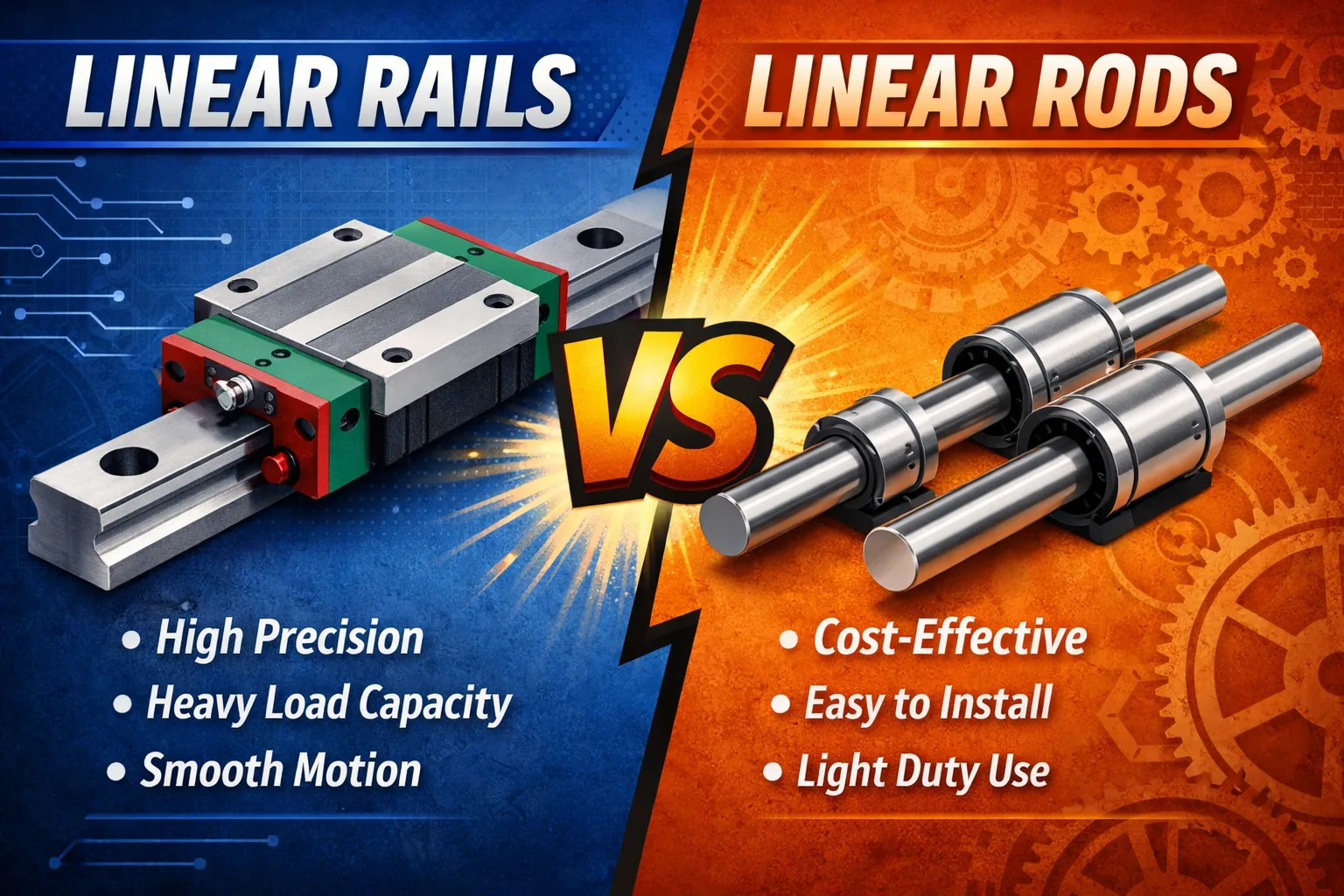
Линейные направляющие против линейных валов
Как старший инженерный директор с более чем 15-летним опытом в проектировании, производстве и оптимизации промышленного оборудования, я руководил бесчисленными проектами, где выбор между линейными рельсами и линейными стержнями напрямую влиял на производительность оборудования, надежность и совокупную стоимость владения (TCO). Линейные рельсы (также называемые линейными направляющими, линейными рельсами скольжения или линейными рельсами-направляющими) и линейные стержни (также известные как линейные валы, линейные направляющие валы или линейные валы скольжения) являются ключевыми компонентами для систем линейного перемещения, но они не взаимозаменяемы — каждый превосходен в определенных сценариях, и неправильный выбор может привести к дорогостоящей переделке, преждевременному выходу из строя или снижению производительности. Это особенно критично при оценке линейных рельсов и подшипников, линейных стержней и подшипников или систем линейных рельсов с подшипниками, так как эти пары компонентов определяют возможности системы перемещения. В этой статье я разберу фундаментальные различия между линейными рельсами и линейными стержнями, объясню, что такое линейная направляющая и что такое линейный подшипник, а также подробно опишу компромиссы в производительности, границы применения и ключевые принципы выбора с точки зрения инженерного руководства — помогая командам принимать стратегические, основанные на данных решения, соответствующие целям проекта, будь то выбор линейных рельсов для ЧПУ, тяжелых линейных направляющих или доступных бюджетных вариантов линейных направляющих.
Ключевое различие
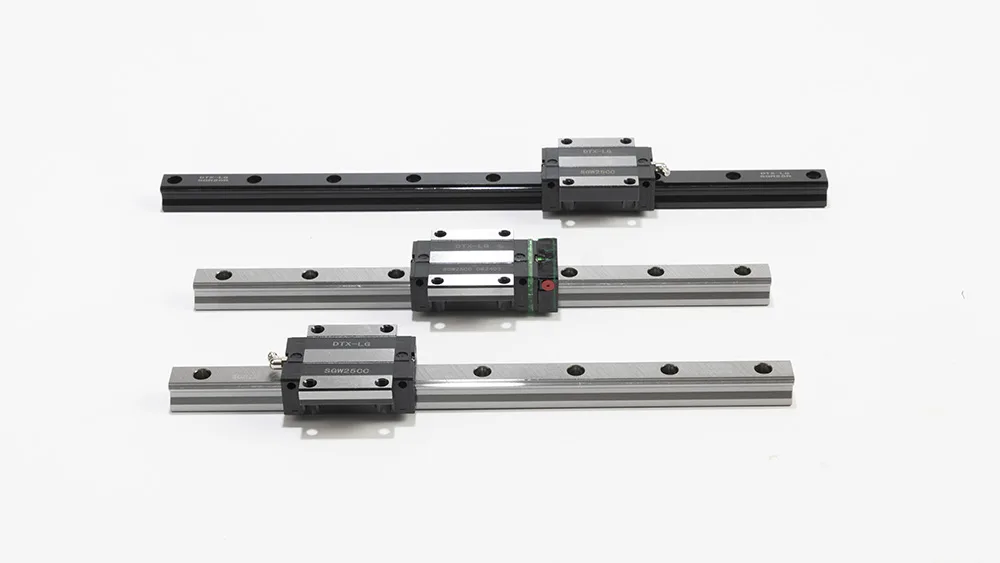
Что такое линейные рельсы (линейные направляющие)?
Что такое линейные стержни (линейные валы)?
Линейные стержни (также называемые линейными направляющими валами, линейными валами скольжения или просто линейными стержнями) представляют собой простые цилиндрические валы (прецизионно отшлифованные или полированные), используемые в паре с компонентами линейных подшипников для стержней — чаще всего с линейными подшипниками и стержнями, рельсовыми линейными подшипниками или направляющими рельсами-подшипниками, которые служат опорами. В отличие от линейных рельсов, линейные стержни являются решением на уровне компонентов — они требуют внешних опор (например, концевых блоков, кронштейнов) для поддержания выравнивания, и их производительность сильно зависит от точности опорной конструкции и качества пары линейного подшипника стержня. Эта конструкция ставит во главу угла простоту, экономичность и компактность, что делает линейные стержни и подшипники популярным выбором для небольших применений с ограниченным пространством.
Линейные стержни работают по одноосному точечному принципу контакта (между линейным подшипником стержня и поверхностью стержня). Хотя высококачественный линейный стержень в паре с прецизионным линейным подшипником может обеспечить умеренную точность (повторяемость ±0,01 мм), их жесткость и несущая способность ограничены диаметром линейного стержня и типом линейного подшипника стержня. Простые варианты линейных подшипников стержня экономичны, но подвержены износу в высокоскоростных применениях, в то время как системы с шариковыми линейными подшипниками рельсов обеспечивают низкое трение, но требуют более частой смазки и защиты от загрязнений. Линейные стержни и подшипники часто используются в простых системах линейного перемещения, таких как ручные сборочные станции или низкоскоростные конвейеры, где требования к точности и грузоподъемности умеренные. Линейные треки для линейных стержней обычно проще, чем для линейных рельсов, и сосредоточены на стабильной опоре, а не на интегрированном управлении движением.
Что важно для инженерных руководителей?
Показатель производительности | Линейные рельсы (например, линейные направляющие рельсы для ЧПУ, прецизионные линейные направляющие) | Линейные стержни (с линейным подшипником стержня, линейными подшипниками и стержнями) |
Точность (повторяемость/точность)) | Высокая (±0,001–±0,01 мм); стабильная по всему ходу (идеально для прецизионных линейных направляющих, применений с линейным скольжением для ЧПУ) | Умеренная (±0,01–±0,1 мм); зависит от выравнивания опор и качества линейного подшипника стержня |
Жесткость и грузоподъемность | Высокая; многоконтактная конструкция выдерживает радиальные/осевые нагрузки и крутящий момент (отлично подходит для тяжелых линейных направляющих рельсов, поддерживаемых линейных рельсов) | Низкая или умеренная; ограничена диаметром линейного стержня и типом линейного подшипника стержня |
Трение и скорость | Низкое трение; подходит для высокоскоростного непрерывного движения (например, шариковые линейные направляющие, линейное скольжение для ЧПУ) | Более высокое трение (простой линейный подшипник стержня); шариковый линейный подшипник рельса обеспечивает низкое трение, но меньшую долговечность |
Первоначальная стоимость | Выше (в 2–5 раз дороже линейных стержней аналогичного размера); варьируется в зависимости от типов линейных рельсов, материалов (линейные направляющие из нержавеющей стали дороже стандартных) и размеров линейных рельсов | Ниже; простая конструкция и меньшее количество компонентов (линейные стержни и подшипники более доступны по цене, чем системы линейных рельсов) |
Обслуживание и TCO | Низкое обслуживание; встроенная защита снижает износ; более длительный срок службы (5–10 лет) (применимо к большинству систем линейных рельсов, включая линейные направляющие из нержавеющей стали) | Более высокое обслуживание; линейный подшипник стержня изнашивается быстрее; выравнивание опор может потребовать переделки; более короткий срок службы (2–5 лет) (обычно для конфигураций с линейными стержнями и подшипниками) |
Установка и интеграция | Проще; модульная конструкция требует минимального выравнивания (идеально для линейных направляющих рельсов для ЧПУ, линейных рельсовых слайдов) | Сложнее; требует точного выравнивания опор и компонентов линейных подшипников стержня |
Точность и жесткость: обязательные условия для высокопроизводительных систем
Стоимость против TCO: приоритет инженерного директора
Installation and Scalability: Efficiency for Engineering Teams
When to Choose Linear Rails vs. Linear Rods
Choose Linear Rails If
- Your application requires high precision (repeatability ≤ ±0.01mm) or consistent positioning across long travel lengths (≥1m)—ideal for precision linear guide, linear ball guide, or CNC linear guide rails applications.
- The system operates under dynamic loads (e.g., high-speed acceleration, cutting forces, torque) or heavy loads (≥50kg per axis)—suited for heavy duty linear guide rails, supported linear rail, or robust linear rail systems.
- You need low maintenance and long lifespan (≥5 years) for 24/7 or high-duty-cycle operations (applies to most linear rail types, including stainless steel linear guide rails and linear rail slides).
- Scalability is a priority (e.g., future upgrades to dual-rail configurations, additional linear rail bearings, or switching to larger linear rail sizes).
- Examples: CNC machining centers (with CNC linear guide rails, linear rails for CNC, or CNC linear slide components), robotic arms, semiconductor wafer handlers, metrology equipment, high-speed packaging lines, corrosive-environment applications (using stainless steel linear guide rails), and heavy-duty material handling systems (using heavy duty linear guide rails).
Choose Linear Rods If
- Your application has low precision requirements (repeatability ≥ ±0.01mm) and operates at low speeds or low duty cycles—suitable for linear rods and bearings or basic linear bearing track setups.
- Space is at a premium (e.g., compact equipment, small-diameter linear slide shafts ≤10mm) where linear rail sizes are too large.
- Upfront cost is the primary constraint, and maintenance frequency is manageable (e.g., quarterly linear rod bearing checks or replacements)—linear rods and bearings are more affordable than linear rail systems.
- The system handles light loads (≤50kg per axis) and no significant torque or dynamic forces—basic linear rod bearing pairings are sufficient.
- Examples: Material handling carts (using linear rods and bearings), manual assembly stations, low-speed conveyor guides (with linear bearing track components), prototype machines (using simple linear rod setups), simple linear actuators (with linear slide shafts), and compact devices where linear rail sizes are impractical.
Selection Best Practices
- Start with System Requirements, Not Component Costs: Сначала определите требования к точности, нагрузке, скорости и сроку службы — это критически важно для выбора между типами линейных направляющих (например, прецизионные линейные направляющие vs. дешевые линейные направляющие) или валами и подшипниками. Только после прояснения этих параметров следует оценивать стоимость. Наиболее частая ошибка, которую я наблюдаю, — неправильный выбор из-за ориентации на первоначальную стоимость (например, выбор валов и подшипников вместо ЧПУ-линейных направляющих для прецизионного ЧПУ-применения).
- Тестируйте в реальных условиях: Для критически важных применений (например, ЧПУ-линейные направляющие, тяжелонагруженные линейные направляющие) тестируйте как системы линейных направляющих, так и валы с подшипниками в вашей реальной рабочей среде (например, при наличии пыли, вибрации или перепадов температур). Лабораторные испытания не всегда отражают реальную производительность, особенно в отношении износа подшипников скольжения на валах или коррозионной стойкости линейных направляющих из нержавеющей стали.
Сотрудничайте с проверенными поставщиками: Высококачественные линейные направляющие от известных брендов, таких как THK, HIWIN и SKF, а также валы и подшипники от Bosch Rexroth и Misumi, хорошо известны стабильным качеством и длительным сроком службы.
В то же время инженерным командам не следует упускать из виду новых производителей линейных направляющих с многолетним опытом производства, таких как DTX-LG. Эти бренды нового поколения часто предлагают взаимозаменяемые конструкции, стабильный контроль качества и более конкурентоспособное соотношение цены и производительности, что делает их практичной альтернативой для ЧПУ-линейных направляющих и других применений с высоким рабочим циклом.
Независимо от зрелости бренда, избегайте использования недорогих, небрендовых подшипников для линейных направляющих или компонентов валов и подшипников в требовательных средах, поскольку нестабильные допуски и качество материалов могут значительно сократить срок службы и увеличить совокупную стоимость владения.
- Учитывайте интеграцию с другими компонентами: Убедитесь, что выбранный компонент бесшовно интегрируется с вашим двигателем, приводом и системой управления. Системы линейных направляющих (включая каретки линейных направляющих, модели линейных шариковых направляющих) часто лучше сочетаются с прецизионными серводвигателями для применений с ЧПУ-линейными каретками, в то время как валы и подшипники совместимы с более простыми шаговыми двигателями. Также учитывайте размеры линейных направляющих и диаметры валов, чтобы обеспечить совместимость с существующими креплениями.
- Планируйте техническое обслуживание: Учитывайте техническое обслуживание при расчете совокупной стоимости владения (TCO). Системы линейных направляющих (даже недорогие варианты) снижают трудозатраты на обслуживание, устраняя необходимость частой замены подшипников скольжения на валах, что часто упускается из виду при сравнении первоначальных затрат. Для коррозионных сред линейные направляющие из нержавеющей стали снижают затраты на обслуживание благодаря устойчивости к ржавчине и износу.
Линейные направляющие и валы являются важнейшими решениями в системах линейного перемещения, но их применимость зависит от требований применения и долгосрочных целей проекта. Независимо от того, является ли приоритетом высокая точность, экономическая эффективность или способность выдерживать большие нагрузки, инженерные команды должны оценивать не только первоначальную стоимость, а вместо этого сосредоточиться на совокупной стоимости владения (TCO), надежности и масштабируемости в течение всего жизненного цикла системы.
Линейные направляющие — включая ЧПУ-линейные направляющие, тяжелонагруженные линейные направляющие и линейные направляющие из нержавеющей стали — являются предпочтительным выбором для прецизионных, высоконагруженных применений и применений с высоким рабочим циклом, где точность, долговечность и низкие затраты на обслуживание являются обязательными требованиями. В то же время, валы и подшипники хорошо подходят для компактных, малонагруженных и чувствительных к стоимости применений, где допустима умеренная точность.
Четко понимая функциональные различия между линейными направляющими и подшипниками скольжения, оценивая размеры направляющих и диаметры валов, а также применяя структурированные лучшие практики выбора, инженерные команды могут избежать дорогостоящих компромиссов в конструкции и создавать системы, которые надежно, эффективно и экономично работают в течение многих лет.