
-
01/15/2026
- 0 Commento
Selezione delle guide lineari verticali vs orizzontali
Indice dei contenuti
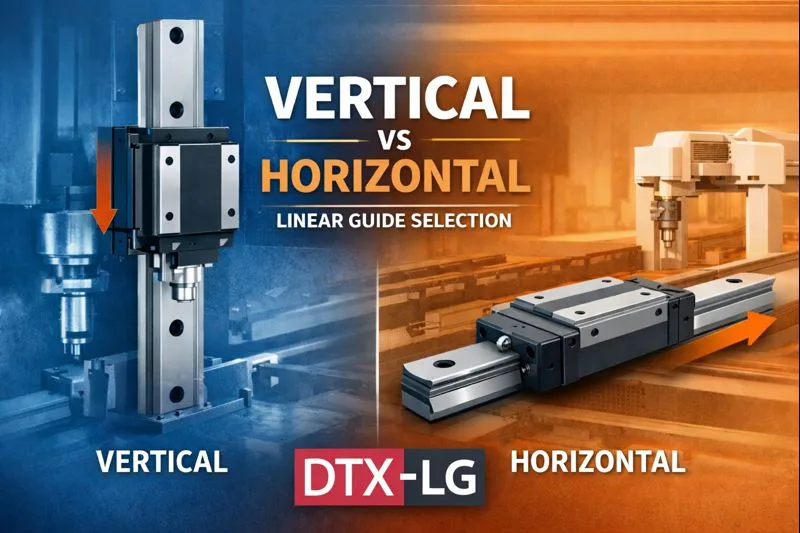
Nel mondo dei sistemi di movimento lineare, una scelta apparentemente semplice può effettivamente determinare il successo o il fallimento della vostra attrezzatura: la selezione della giusta guida lineare per il movimento orizzontale (asse Y) e verticale (asse Z).
Non si tratta solo di scegliere una direzione. Scegliere la guida sbagliata può portare a una precisione instabile, a una durata ridotta o, peggio, a rischi per la sicurezza e a gravi perdite finanziarie. In questo articolo, analizzeremo le differenze chiave tra le guide lineari per l'asse Y e l'asse Z e vi forniremo un quadro chiaro per aiutarvi a selezionare quella corretta, costruendo un nucleo di movimento solido per le vostre macchine.
Definizione di guida lineare verticale e orizzontale
Cos'è una guida lineare orizzontale?
Una guida lineare orizzontale si riferisce tipicamente a un sistema di guida lungo gli assi X e Y che muove il carico con precisione in direzione orizzontale (avanti, indietro, sinistra e destra). È la pietra angolare del movimento orizzontale di un tavolo di lavoro o di una slitta. Sperimenta un carico gravitazionale minore nella direzione del movimento. La gravità può ancora influenzare la guida perpendicolarmente, ma non aumenta significativamente il carico assiale. Le guide orizzontali sono ampiamente utilizzate in:
- Tavole XY di precisione
- Trasportatori e macchine pick-and-place
- Bracci robotici con movimento prevalentemente orizzontale
Le applicazioni orizzontali affrontano sfide come carichi di momento, effetti a sbalzo e il mantenimento della precisione su lunghe distanze di percorrenza, ma il carico gravitazionale nella direzione del movimento è tipicamente molto inferiore rispetto alle guide verticali.
Cos'è una guida lineare verticale?
Le guide lineari verticali, comunemente utilizzate in applicazioni per l'asse Z come fresatrici CNC, stampanti 3D e meccanismi di sollevamento, devono supportare il peso dei componenti in movimento mantenendo precisione e ripetibilità. L'orientamento verticale introduce un carico assiale dovuto alla gravità, che può causare diverse problematiche:
- Deriva o scivolamento verso il basso sotto carichi pesanti
- Usura aumentata sulle superfici di scorrimento
- Sensibilità alla precarica e alla precisione di installazione
- Potenziali vibrazioni o giochi se la guida non è sufficientemente rigida
Per questi motivi, le guide verticali richiedono un'attenzione particolare alla capacità di carico, alla rigidità strutturale e alla gestione dell'attrito.
Tipi di guide lineari
Scegliere la guida lineare ottimale per il movimento lineare in diverse direzioni dipende anche dalla comprensione della struttura meccanica e dei vantaggi prestazionali dei diversi tipi di guida.
Guide lineari a sfere
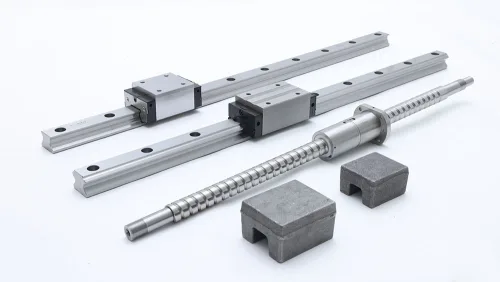
Le guide lineari a sfere sono la soluzione più comune, rinomate per l'alta precisione, il basso attrito e il movimento fluido. Dotate di capacità ad alta velocità ed eccellente ripetibilità, sono adatte per applicazioni con carichi da leggeri a medi e sono spesso impiegate nei sistemi di guida lineare a 3 assi delle macchine CNC per il movimento degli assi X e Y. Per migliorare le prestazioni, alcuni modelli incorporano più file di sfere (2-4 file), migliorando significativamente la rigidità del sistema. Tuttavia, nelle applicazioni verticali (asse Z) sotto carichi pesanti—comuni nei centri di lavorazione verticali CNC—le guide a sfere possono essere soggette a scivolamento o usura irregolare, spesso richiedendo regolazione della precarica o progetti ad alta rigidità per garantire stabilità. Dal punto di vista dei costi, sono generalmente l'opzione più conveniente per tali sistemi multiasse grazie a processi di produzione relativamente più semplici e requisiti di materiali più leggeri.
Guide lineari a rulli
Assieme di guide a rulli utilizzano rulli cilindrici al posto delle sfere, aumentando significativamente la superficie di contatto tra i componenti. Di conseguenza, offrono una capacità di carico sostanzialmente superiore—spesso due o tre volte quella di guide a sfere di dimensioni simili—e forniscono un'eccellente rigidità. Ciò le rende particolarmente adatte per applicazioni che coinvolgono carichi verticali (asse Z) pesanti o a sbalzo, come ad esempio la robusta guida lineare per l'asse Z CNC nei centri di lavorazione. Sebbene il progetto comporti un attrito leggermente superiore, rendendole ideali per operazioni a velocità moderata, il loro punto di forza principale risiede in ambienti che richiedono rigidità e durata estreme, fondamentali per la precisione e la stabilità dell'asse Z di una macchina CNC. In termini di costo, le guide a rulli sono tipicamente le più costose tra i tipi comuni di guide lineari, a causa dei componenti più complessi e del maggiore utilizzo di materiale.
Guide lineari a struttura DB
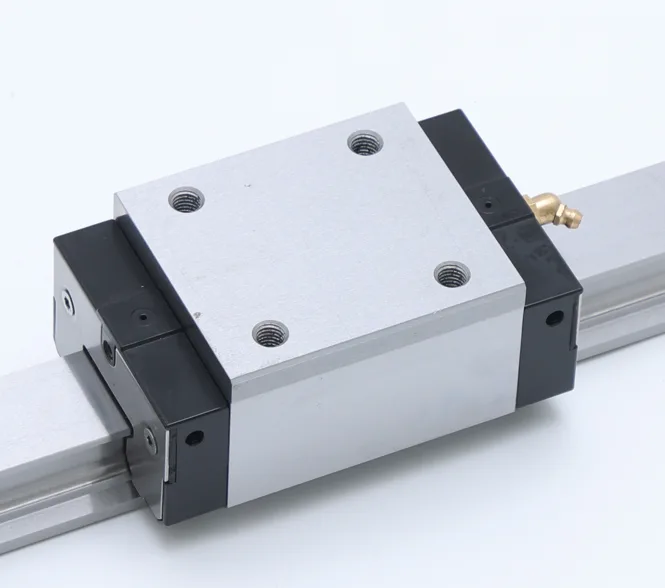
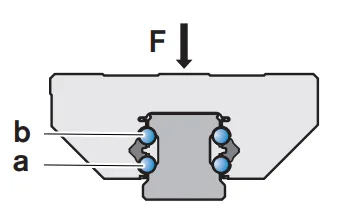
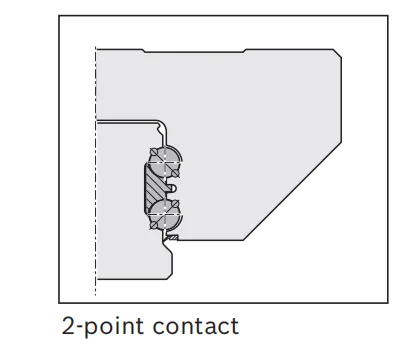
Carrello a doppia fila di sfere Guide lineari compatte DB rappresentano una soluzione ibrida che posiziona strategicamente gli elementi volventi lungo la sezione centrale della guida. Questo design unico migliora significativamente la resistenza alla coppia e la capacità di gestione del carico, specialmente in applicazioni verticali (asse Z) o ad alto carico. Utilizzando quattro file di sfere che mantengono due punti di contatto in tutte le direzioni di carico, le guide DB offrono una rigidità superiore rispetto alle guide a sfere standard, riducendo al contempo l'attrito di scorrimento differenziale comune nei progetti tradizionali a più file. Ciò le rende un'alternativa conveniente alle guide a rulli per scenari che coinvolgono carichi da medi a pesanti o strutture a sbalzo. In termini di costo, le guide DB occupano una posizione intermedia—più convenienti delle guide a rulli, offrendo al contempo un equilibrio favorevole tra rigidità migliorata, capacità di carico aumentata e attrito operativo ridotto.
Riepilogo della classifica dei costi:
Guida lineare a sfere < Guida lineare DB < Guida lineare a rulli
Questa classifica riflette la tipica complessità di produzione e i requisiti di materiale per ciascun tipo. I progettisti devono valutare il costo rispetto a carico, precisione e esigenze applicative.
Guida lineare verticale vs Guida lineare orizzontale
Applicazione di entrambe le guide lineari
| Fattore | Guida Verticale | Guida Orizzontale |
|---|---|---|
| Direzione del Carico | Assiale + Gravità | Principalmente Radiale |
| Guida a Sfere | Solo carichi leggeri; può scivolare sotto peso elevato | Movimento ad alta velocità, preciso, lunga durata |
| Guida a Rulli | Ottimale per carichi verticali elevati e rigidità | Carichi pesanti; velocità moderata |
| Struttura DB | Alta rigidità e resistenza alla coppia; alternativa adatta ai rulli | Opzionale; aumenta la rigidità se necessario |
| Gestione dell'Attrito | Critica da minimizzare | Importante ma meno critica |
| Classifica dei Costi | DB < Rulli; Sfere per carichi leggeri | Sfera < DB < Rullo |
Le applicazioni verticali richiedono elevata rigidità, gestione dell'attrito e un'attenta distribuzione del carico, mentre le applicazioni orizzontali offrono maggiore flessibilità nella scelta delle guide.
Selezione di entrambe le guide lineari
La selezione del sistema di movimento lineare appropriato richiede un equilibrio strategico tra carico, orientamento, precisione, velocità e costo. Per applicazioni verticali (asse Z), le guide a struttura DB offrono un ottimo compromesso tra capacità di carico e rigidità per impieghi di media entità, mentre le guide a rulli rappresentano la scelta principale per carichi estremi che richiedono la massima rigidità. Le guide a sfere possono essere sufficienti per carichi verticali leggeri in cui velocità e precisione sono fondamentali, a condizione che vengano implementate misure come la regolazione del precarico. Nelle applicazioni orizzontali, le guide a sfere eccellono per movimenti ad alta velocità e precisione, mentre le guide a rulli sono preferite per gestire carichi orizzontali pesanti. Le guide DB fungono da opzione versatile intermedia in entrambe le orientazioni, offrendo una rigidità superiore rispetto alle guide a sfere standard senza il costo completo delle guide a rulli. Considerazioni aggiuntive chiave includono: optare per guide a rulli o DB per lunghe distanze di corsa per mantenere l'allineamento, preferire guide a sfere a basso attrito per carichi dinamici elevati e allineare la scelta con il budget – dove le guide a sfere sono più convenienti, le strutture DB offrono un aggiornamento equilibrato e le guide a rulli giustificano il costo più elevato negli scenari più impegnativi ad alto carico.
Errori Comuni
- L'utilizzo di guide a sfere standard per carichi verticali pesanti sull'asse Z → può causare scorrimento o aumentare il gioco
- L'impiego di guide DB a bassa capacità per carichi orizzontali pesanti → può aumentare l'attrito di precarico
- Trascurare la precisione di installazione → anche le guide DB o a rulli possono sviluppare gioco laterale se montate in modo errato
Non esiste un tipo di guida “migliore” universale; la selezione dipende dall'orientamento, dal carico, dalla precisione e da considerazioni di costo:
Applicazioni verticali: le guide DB o a rulli generalmente superano le guide a sfere in scenari con carichi pesanti e critici per la coppia
Applicazioni orizzontali: le guide a sfere sono convenienti per carichi leggeri, mentre le guide a rulli o DB sono adatte per carichi più pesanti o applicazioni che richiedono elevata rigidità
Prospettiva di costo: Sfere < DB < Rulli. I progettisti devono bilanciare costo e prestazioni in base a carico, orientamento e requisiti di precisione.
DTX-LG, come azienda di guide lineari, offre una serie completa di guide lineari (a sfere, a rulli, DB) per applicazioni verticali e orizzontali, garantendo precisione, stabilità e lunga durata di servizio. I nostri ingegneri possono assistere nella selezione della soluzione di guida più conveniente e specifica per l'applicazione, ottimizzando le prestazioni e minimizzando le spese non necessarie.